 Orndorff - Ellijay GA
Highland Cows
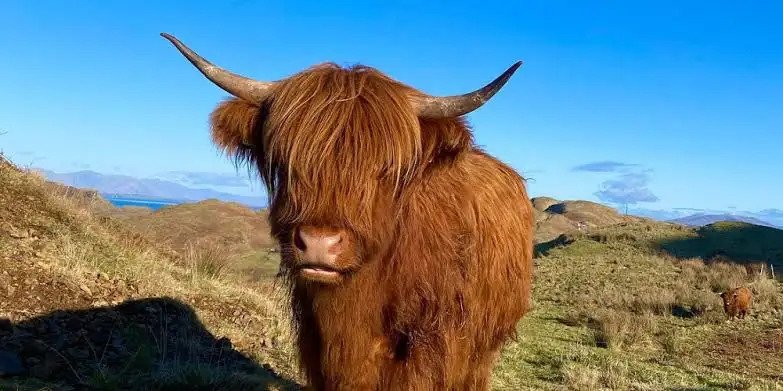
Our highland cow mascot — long horns, shaggy coat, and mountain spirit.
History of Highland Cattle
Highland cattle (also known as Scottish Highland cattle or “hairy coos”) originated in the Scottish Highlands and Western Isles. They are one of the oldest registered cattle breeds, with records dating back centuries. Bred for the harsh, wet, mountainous climate of Scotland, they developed their signature long, shaggy coats, large horns, and hardy nature.
The breed was refined in the 19th century, and the Highland Cattle Society was formed in 1884. They were exported worldwide and became popular for their ability to thrive on poor pasture, their lean meat, and their striking appearance. In North America, including the Georgia mountains, they are valued both for beef and as scenic, low-maintenance livestock that clear land and attract visitors.
Facts & Characteristics
- Coat: Double coat — long outer hair for weather protection and a soft undercoat. Colors range from red, black, yellow, dun, to white.
- Horns: Both males and females have long, curved horns. They are used for defense and foraging.
- Temperament: Generally docile and curious, though protective of calves.
- Adaptability: Thrive in cold, wet, or mountainous terrain with minimal supplemental feed.
- Meat: Lean, flavorful, and well-marbled beef with a distinctive taste.
- Modern popularity: Widely kept as “pet” or agritourism animals; their photogenic appearance has made them social media favorites.
Highland Cows in the North Georgia Mountains
In places like Gilmer County and the surrounding North Georgia mountains, Highland cattle fit the landscape perfectly. Their hardiness matches the cooler elevations, and their visual appeal complements the apple orchards, trails, and scenic vistas of Ellijay. Many local farms and properties keep small herds for land management, meat, and the pure joy of watching these shaggy, horned beauties graze among the hills.
Every other month we feature a dedicated Highland Cow blog post with fresh facts, history tidbits, and news. Check the Blog for the latest.